
"coffee plant protection"
4000 article(s) found
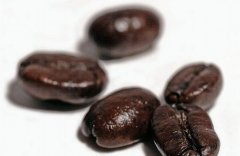
General knowledge of fine coffee what are organic coffee beans
In many parts of the world, growers use pesticides to control the growth of coffee pests, and moist and foggy coffee at high altitudes are more vulnerable to fungi, so growers often use pesticides to treat them. Many people believe that coffee can be called organic coffee as long as synthetic pesticides, herbicides and chemical fertilizers are not used during coffee growth. in fact, it is only in third parties (except coffee makers and producers).

Coffee bean certification 4C Association coffee certification
4C certification is a widely accepted management rule in the world, which involves the sustainable development of coffee cultivation, production, processing and other aspects of the supply chain, including social, environmental and economic principles. Coffee practitioners are required to protect biodiversity, protect all kinds of national endangered animals and plants, correctly use and handle pesticides and other chemicals, protect the natural environment and

The children of Guangzhou "urban beautician" experience the new fun of the wonderful use of coffee grounds
The original coffee grounds can also draw pictures, do green fertilizer, a lot of fun uses! I am confident that I will be a good environmental protection player and pass on the green concept to my friends. On the day of Earth hour on the 25th, Guangzhou Jinxuan KFC held a community public welfare environmental protection campaign with love for the wonderful use of neighboring coffee grounds. On that day, according to the Guangzhou Urban Management Committee and the Communist Youth League, Guangzhou

El Salvador Green Hills Manor Santa Ana production area Santa Ana Popolon processing Plant
El Salvador Green Hills Manor El Salvador El Borbollon Red Bourbon/ Yellow Bourbon Natural processing Plant (El Salvador El Borbollon Red Bourbon/ Yellow Bourbon Natural) half pound: NT$350 production area: Santa Ana (Santa Ana) Manor: green Hills Manor (Finca Monte Verde) processing Plant: Bobolong processing Plant (El Borbollon) varieties: red bourbon (Red Bourbon) species
Inspection and quarantine should be carried out in the planting base of plant-derived food raw materials for export.
The main safety and health problems of exported plant-derived food raw materials are excessive pesticide residues and harmful elements, which mainly occur in the planting stage. In order to control the safety and quality of plant-derived food raw materials for export during the planting stage, AQSIQ recently issued a notice (National quality Inspection letter [2008] No. 261) requiring further standardization of inspection and quarantine preparations for export plant-derived food raw materials planting bases.

What is the reason for the low sour taste of Ugandan coffee beans
What is the reason for the low sour taste of Ugandan coffee beans? low mold coffee beans 1. Protect the next generation: reduce exposure to carcinogenic chemicals such as pesticides and herbicides. two。 Prevent soil exhaustion: according to the soil Conservation Society, soil loss is seven times higher than recovery since chemicals are used and plants that nourish the soil are destroyed. 3. Energy Saving: suitable for Modern farming
Basic knowledge of boutique coffee what are organic coffee beans
Only a small part of the world's coffee is truly organic certified coffee, because the certification process takes a long time, about three years. And such a deal would reduce coffee production by as much as 50%. So when coffee growers decide to do organic certification, it means that a time-consuming and costly investment begins. Many people think that when coffee is growing, only
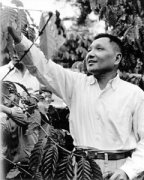
Hainan Xinglong Coffee, China
Brief introduction of Hainan Xinglong Coffee: Xinglong Coffee settled in Xinglong, Hainan, in 1953, when Xinglong overseas Chinese Farm was just established, in order to realize the practice of short-term growth, that is, to use short-term crop income such as coffee, citronella and rice to make up for long-term crop income such as rubber, Xinglong began to introduce coffee from Chengmai Mountain. After a long period of research, it has been found that coffee
Brazilian Coffee Manor and description of its Taste and Flavor introduction of varieties produced in planting environment
Brazilian Coffee Manor and Flavor description growing Environment Variety introduction since the introduction of coffee trees from French Guiana (Guyana) in 1720, coffee production has gradually become a science. Before 1990, the Brazilian government carried out strict monitoring of the coffee industry, with both strict intervention and price protection measures, and the state has been implementing minimum price protection measures for farmers.

The definition of Organic Coffee in the Real sense
Only a small part of the world's coffee is truly organic certified coffee, because the certification process takes a long time, about three years. And such a deal would reduce coffee production by as much as 50%. So when coffee growers decide to do organic certification, it means that a time-consuming and costly investment begins. Many people think that when coffee is growing, only

Dominica Coffee producing areas Dominica Coffee Origin cultivation what kind of coffee is there in Dominica
For more information on coffee beans, please follow the Coffee Workshop (official Wechat account cafe_style) most of the coffee in the Dominican Republic is scattered over the six major producing areas, located in the western half of the valley and on steep slopes. These farms use the height, humidity, temperature and soil of each valley to create favorable conditions for coffee cultivation. Dominica coffee producing area
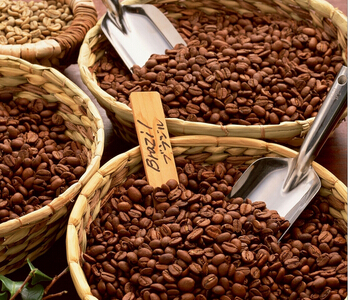
The knowledge of coffee beans what are the characteristics of organic coffee beans?
Boutique coffee knowledge what are organic coffee beans? In many parts of the world, growers use pesticides to control the growth of coffee pests, and moist and foggy coffee at high altitudes are more vulnerable to fungi, so growers often use pesticides to treat them. Many people think that coffee can be called organic coffee as long as synthetic pesticides, herbicides and chemical fertilizers are not used during coffee growth.
Hainan coffee beans Xinglong coffee beans
Brief introduction of Hainan Xinglong Coffee: Xinglong Coffee settled in Xinglong, Hainan, in 1953, when Xinglong overseas Chinese Farm was just established, in order to realize the practice of short-term growth, that is, to use short-term crop income such as coffee, citronella and rice to make up for long-term crop income such as rubber, Xinglong began to introduce coffee from Chengmai Mountain. After a long period of research, it has been found that coffee

A bag of coffee grounds, an environmental protection lesson, the use of coffee grounds
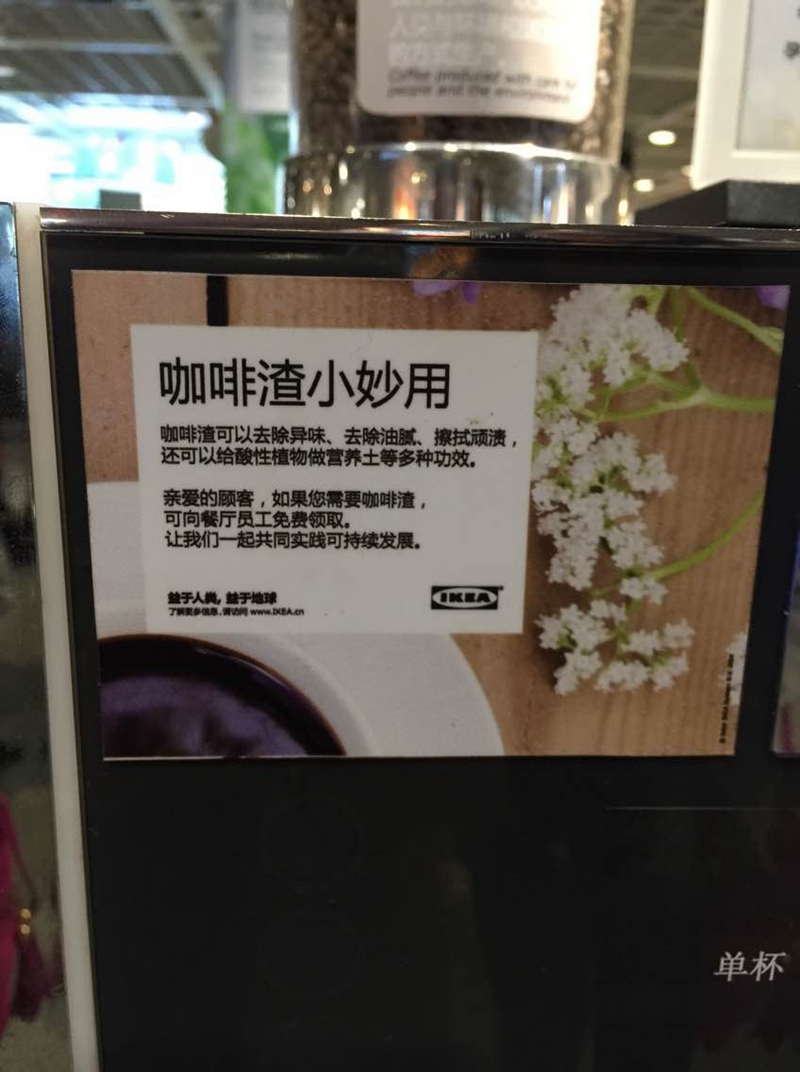
When I went to the IKEA store in Nanjing on the weekend, there was a long line in front of the coffee machine in the hall on the third floor. As the queue approached, a tip on the coffee machine attracted the attention of reporters: dear customers, if you need coffee grounds, you can get it for free from the restaurant staff. Let's practice sustainable development together. The tips also introduce many clever uses of coffee grounds to remove peculiar smell and grease.

Basic knowledge of fine coffee beans definition of organic coffee beans
Only a small part of the world's coffee is truly organic certified coffee, because the certification process takes a long time, about three years. And such a deal would reduce coffee production by as much as 50%. So when coffee growers decide to do organic certification, it means that a time-consuming and costly investment begins. Many people think that when coffee is growing, only
Reflection on Environmental Protection of a bag of "Coffee grounds"
In my spare time on weekends, I went to Nanjing IKEA store, and there was a long exhaust line in front of the coffee machine in the hall on the third floor as usual. Freshly brewed coffee, which can be refilled for free, has gathered a lot of popularity for this foreign store from northern Europe and Sweden. Near the end of the line, a tip on the coffee machine attracted the attention of reporters. It says: dear customer, if you need coffee grounds, you can waive it to the restaurant staff.

Description of flavor and taste of coffee beans in Incht Manor, Guatemala
Flavor description of coffee beans in the producing area of Incht Manor in Guatemala Coffee cultivation in Incht Manor began in 1900. With a total area of 720 hectares, it maintains 470 hectares of primeval forest in order to maintain the natural and precious microclimate. To prevent the microclimate of the whole manor from being affected by excessive reclamation. Use reasonable farming methods to protect soil nutrients

Coffee Analysis: what is Organic Coffee? what's so special about the price of organic coffee?
Professional coffee knowledge exchange more coffee bean information Please follow the coffee workshop (Wechat official account cafe_style) about organic coffee beans in many parts of the world, growers use pesticides to control the growth of coffee pests, and moist and foggy coffee at high altitudes are often more vulnerable to pests, so growers often use insecticide treatments. Many people think that as long as coffee is not used during the growing period
Coffee for tourists in Xinglong Coffee, Hainan, China
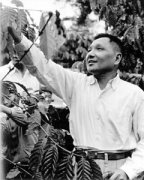
Brief introduction of Hainan Xinglong Coffee: Xinglong Coffee settled in Xinglong, Hainan, in 1953, when Xinglong overseas Chinese Farm was just established, in order to realize the practice of short-term growth, that is, to use short-term crop income such as coffee, citronella and rice to make up for long-term crop income such as rubber, Xinglong began to introduce coffee from Chengmai Mountain. After a long period of research, it has been found that coffee

Introduction of Brazilian Coffee Bean planting cost Brand characteristics, Flavor description and Taste varieties
Brazilian Coffee Bean planting cost Brand characteristics Flavor description Variety introduction since the introduction of coffee trees from French Guiana (Guyana) in 1720, coffee production has gradually become a science. Before 1990, the Brazilian government carried out strict monitoring of the coffee industry, with both strict intervention and price protection measures, and the state has been implementing minimum price protection measures for farmers.